
Phoenix-Area Garage Conditions
Phoenix, Mesa, Chandler, Gilbert, Scottsdale, and Queen Creek garages see heat, dust, tire load, and slab movement that can affect coating choices and preparation needs.
East Valley Garage Floor Coatings helps Phoenix-area homeowners understand garage floor coatings, epoxy floors, polyaspartic finishes, concrete coating options, and repair paths for worn concrete. If your floor is peeling, stained, cracked, dusty, or showing hot-tire marks, you can call or complete the callback form before you know which coating system is right.
Peeling, cracking, dusting, stains, or hot-tire pickup can point toward repair, coating removal, surface preparation, or a new coating system.
Hot tires, summer temperatures, monsoon dust, and sun at garage edges can affect coating choice, preparation, cure time, and return-to-use timing.
A short description of the problem is enough to start. Follow-up questions can narrow down repair needs, coating type, timing, and access details.
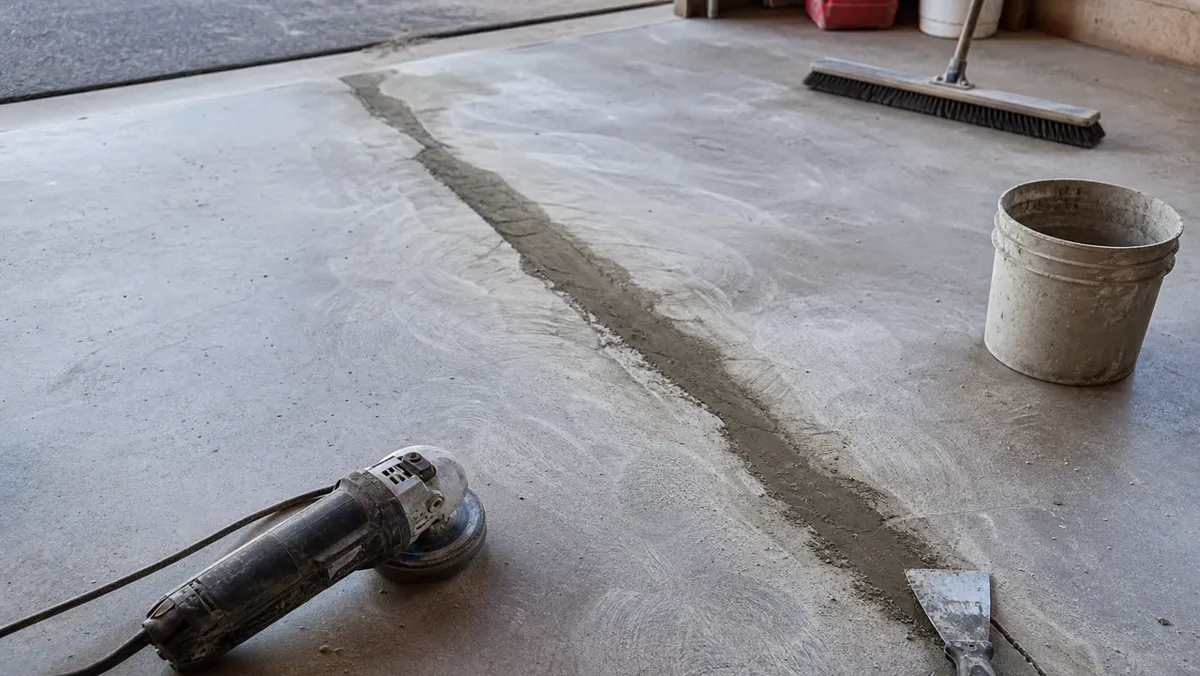
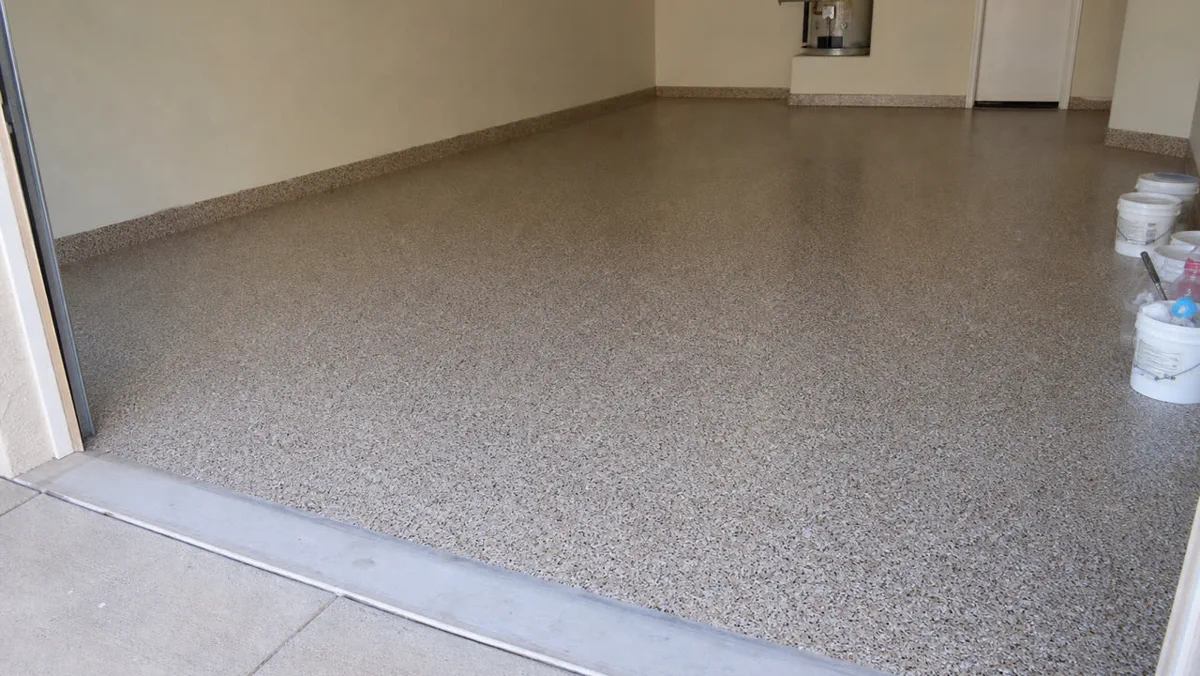
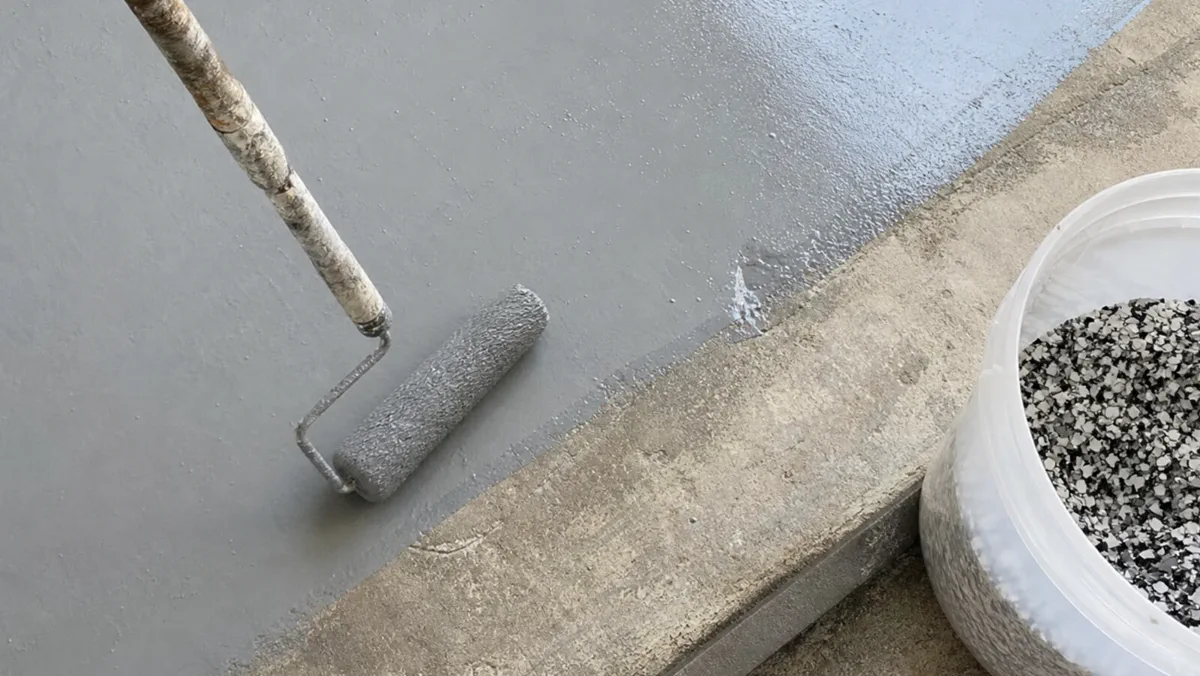
Garage floor coating help can include new coatings, failed coating removal, crack repair, surface preparation, epoxy systems, polyaspartic systems, and finish guidance. The right next step depends on what the concrete is doing and how the garage is used.
After you call or request a callback
After you call or complete the form, the follow-up call can cover simple questions about the floor condition, garage use, timing, and service area. You do not need to know whether epoxy, polyaspartic, crack repair, coating removal, or another preparation step is the right answer before reaching out.
Common homeowner questions
Early failure is usually about preparation, not the color coat. Common causes include inadequate grinding, coating over oil or old sealer, moisture vapor, weak concrete at cracks, or parking hot tires before the system has cured enough.
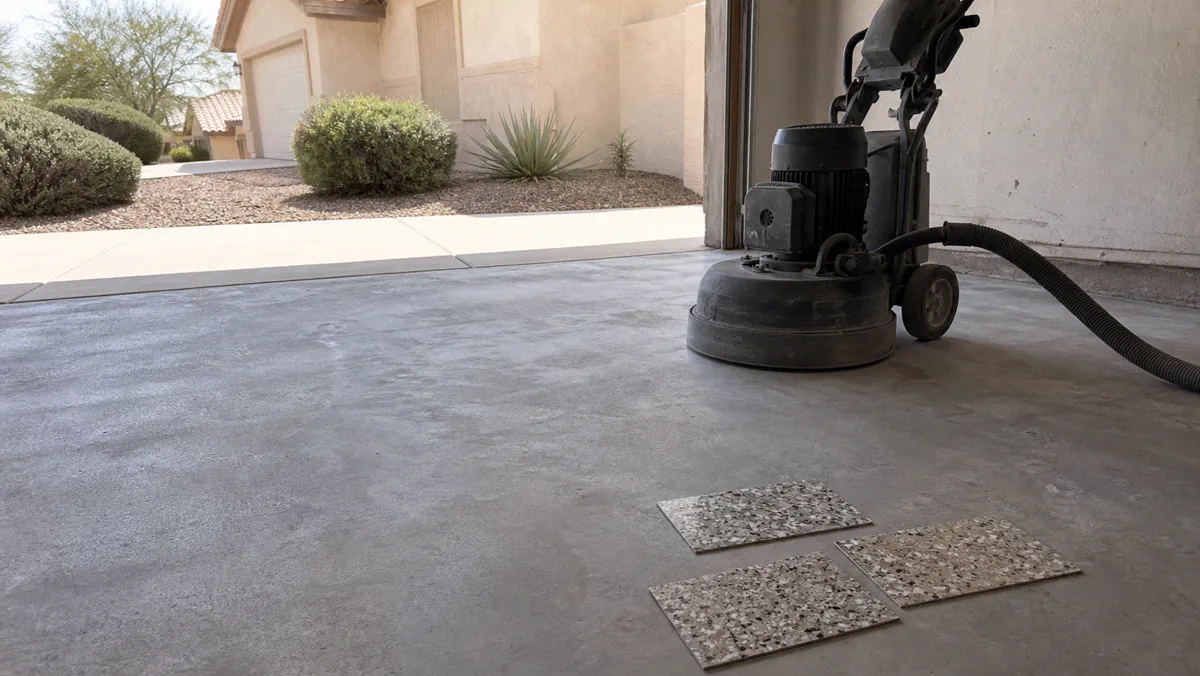
Mechanical grinding is usually the stronger preparation method because it opens the concrete profile and exposes weak spots. Acid etching can miss sealers, oil contamination, and hard-troweled areas, which is risky in garages that see heavy vehicle use.
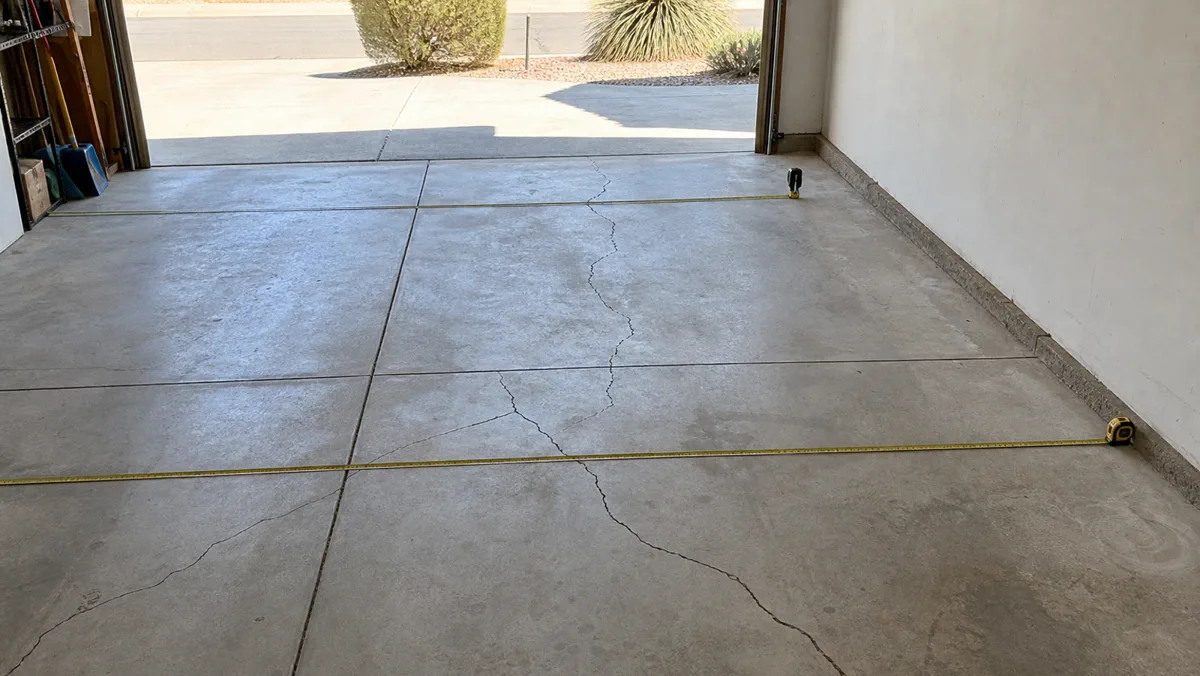
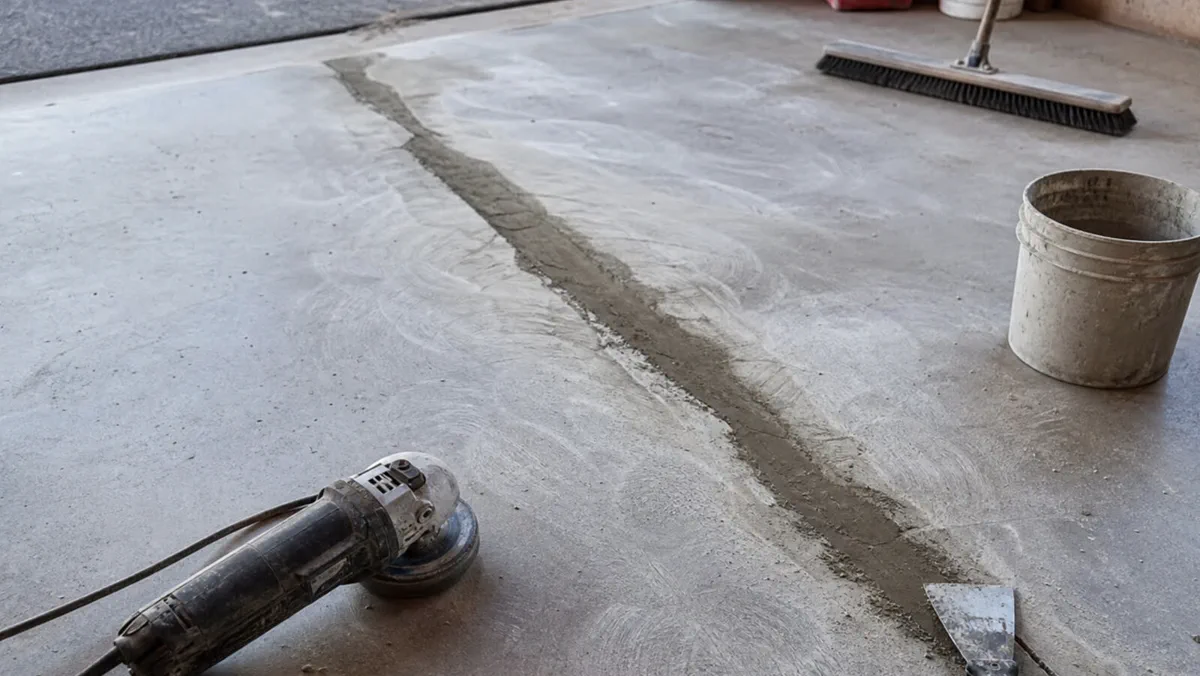
Some repaired cracks can remain slightly visible, especially if the slab continues moving. A professional should explain which cracks are cosmetic, which need routing and filling, and which may telegraph through a flake or solid-color finish.
Heat can shorten working time, affect cure windows, and make hot-tire pickup more noticeable on weak systems. Product choice, installation timing, garage ventilation, and return-to-vehicle timing should be discussed before work starts.
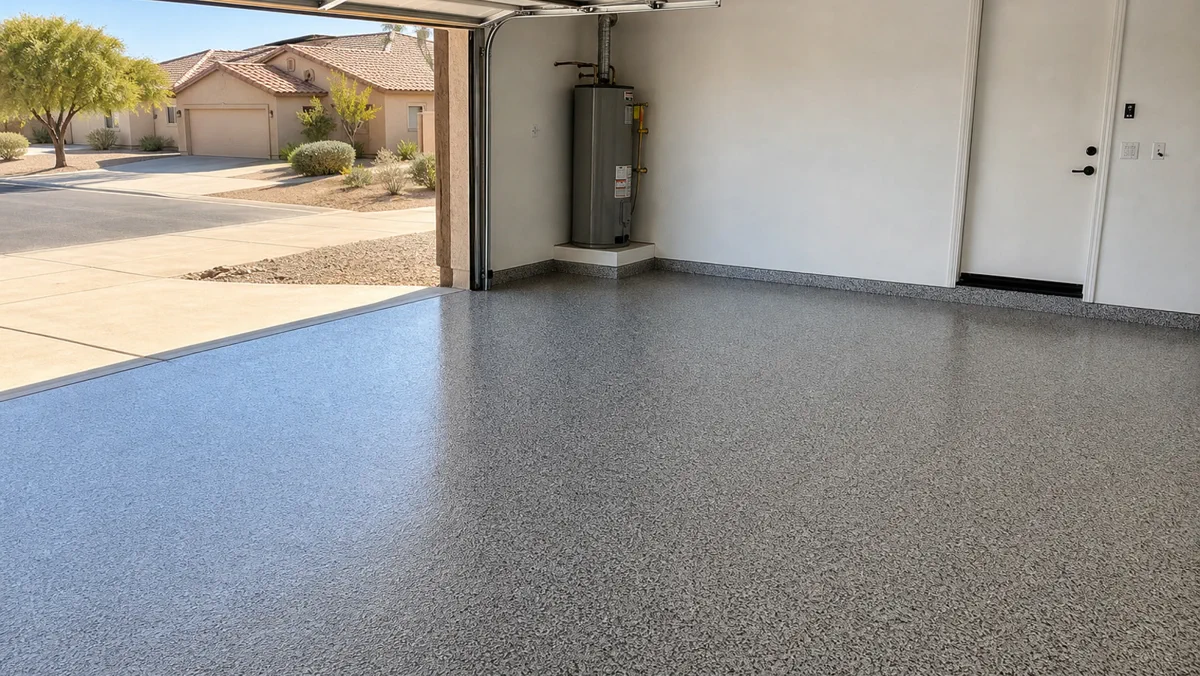
Full flake hides minor concrete variation and adds texture, while solid finishes show surface flaws more easily. The right choice depends on slip preference, cleaning habits, lighting, and whether the garage is mainly for vehicles, storage, a gym, or a workshop.
Timing depends on the system, temperature, slab condition, repairs, and manufacturer cure instructions. Ask separately about foot traffic, moving storage back, and when vehicles can safely return so the finish is not damaged early.
Phoenix, Mesa, Chandler, Gilbert, Scottsdale, and Queen Creek garages see heat, dust, tire load, and slab movement that can affect coating choices and preparation needs.
The site separates garage floor repair, concrete coatings, epoxy floors, polyaspartic coatings, and cost guidance so you can choose the closest topic without diagnosing the floor yourself.
Final product details, schedule, warranty terms, licensing, insurance, and price should be confirmed with the responding company before work begins.
If your garage floor is peeling, cracked, stained, dusty, or due for a coating, call or request a callback. You can start with what you are seeing now; the follow-up call can sort out repair, coating, preparation, timing, and scope.